The Eyewitness Files
Historical Investigations into the Eyewitness Foundations of Christianity.
Physical claims. Named witnesses. Preserved testimony.
The Peter File
Early Christian writers connected Mark's Gospel to Peter's recollections and preaching. Several claims within that tradition are especially significant.
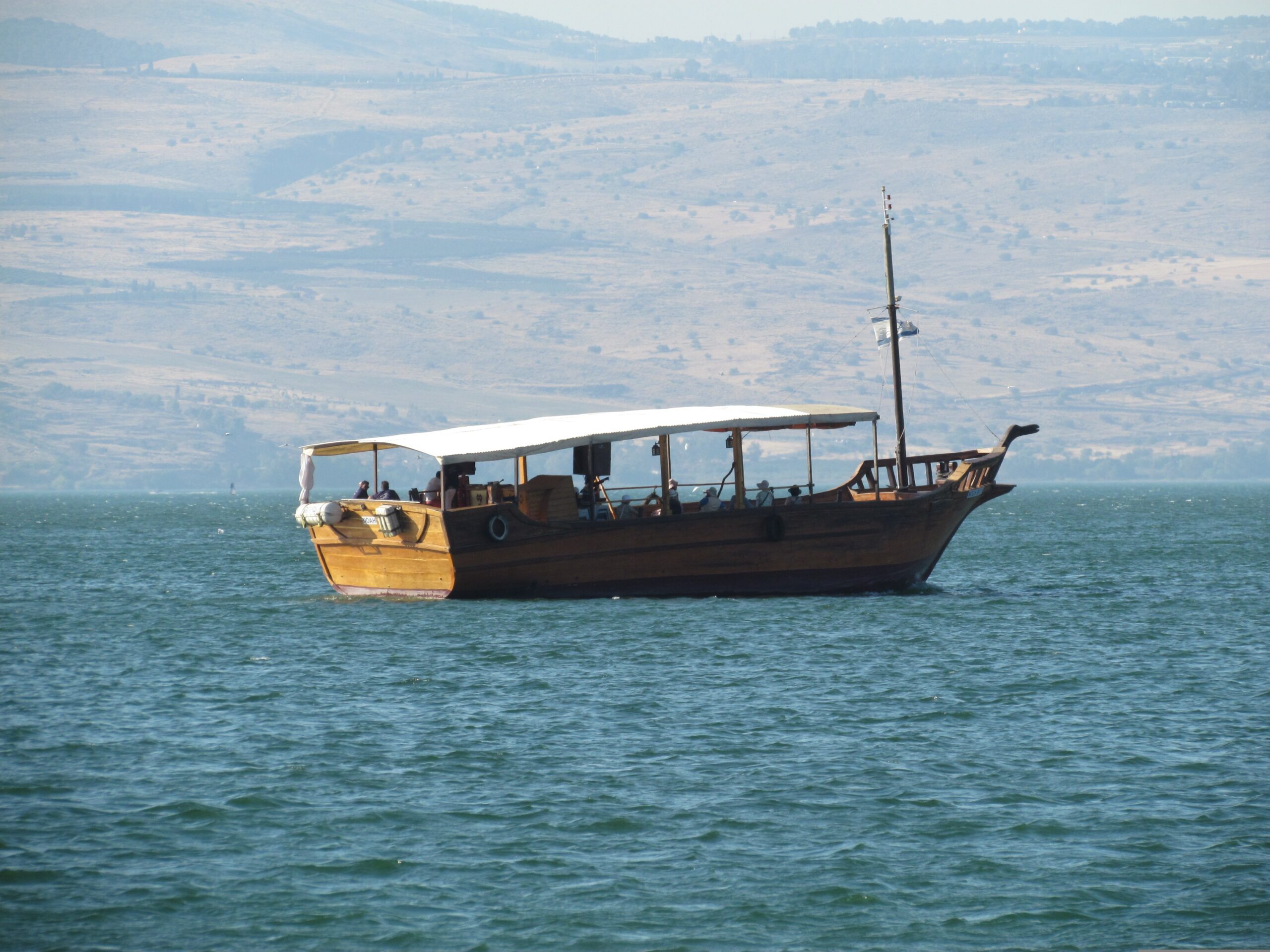
Sea of Galilee
1. Mark's Gospel was attributed to Peter's testimony.
Papias • Irenaeus
Prominent eyewitness source.
2. Jesus raised a synagogue ruler named Jairus' daughter from the dead.
Mark 5
Physical resurrection claim.
3. Jesus publicly restored sight to a blind beggar named Bartimaeus.
Mark 10
Named witness.
The John File
Early Christian tradition connected the Fourth Gospel to the disciple John. The Gospel repeatedly emphasizes eyewitness memory, physicality, and identifiable people and places.
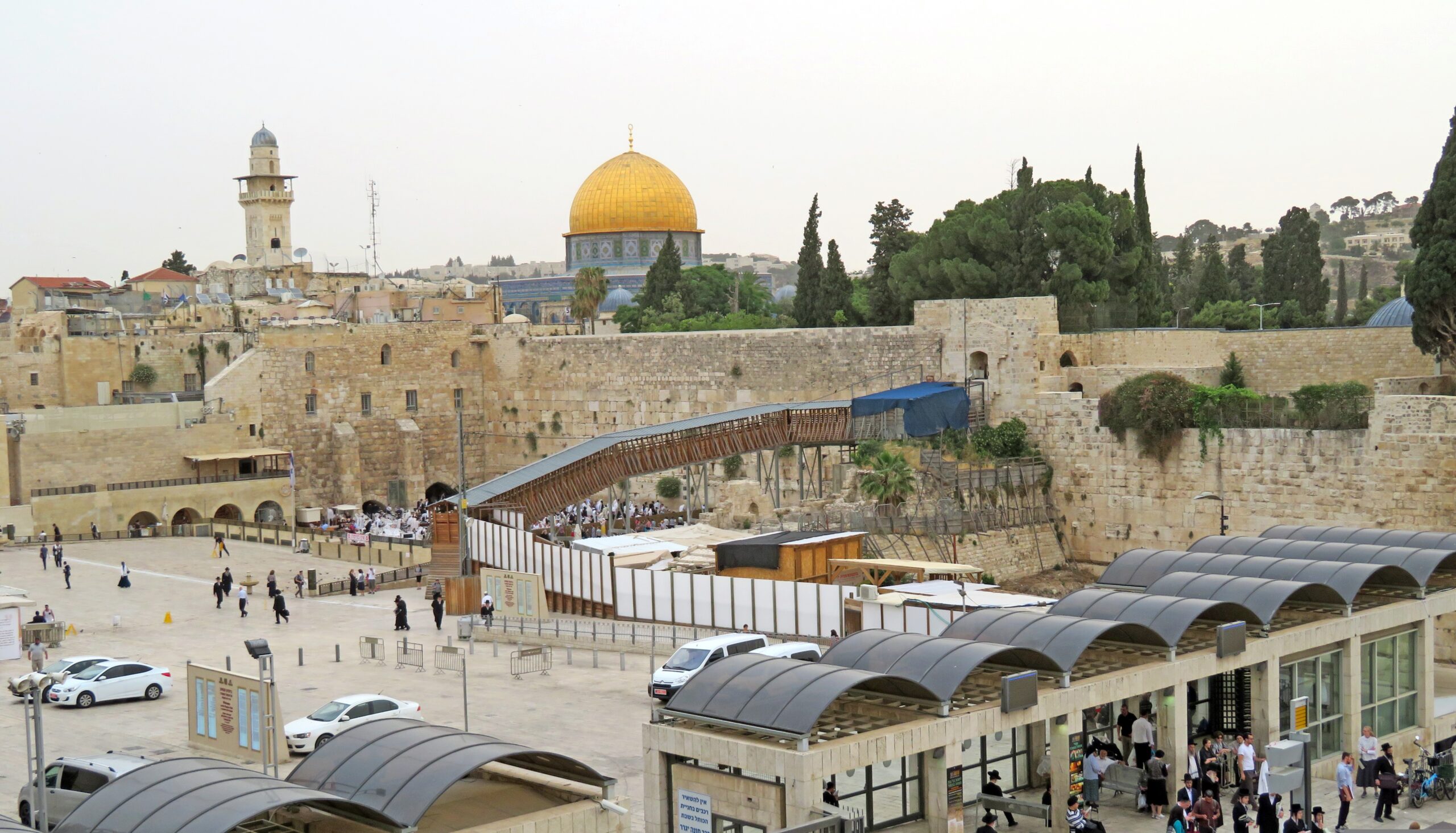
Temple Mount area, Jerusalem
1. Jesus raised Lazarus after four days in the tomb.
John 11
Public resurrection claim near Jerusalem.
2. Jesus restored sight to a man born blind.
John 9
Witnesses and authorities investigated the event.
3. Thomas demanded physical evidence before believing.
John 20
Bodily resurrection claim.
4. Jesus shared a meal with his disciples after the resurrection.
John 21
Extended physical interaction.
The Paul File
Paul's letters are among the earliest surviving Christian documents and 7+ of them are widely regarded as authentic by modern scholars.
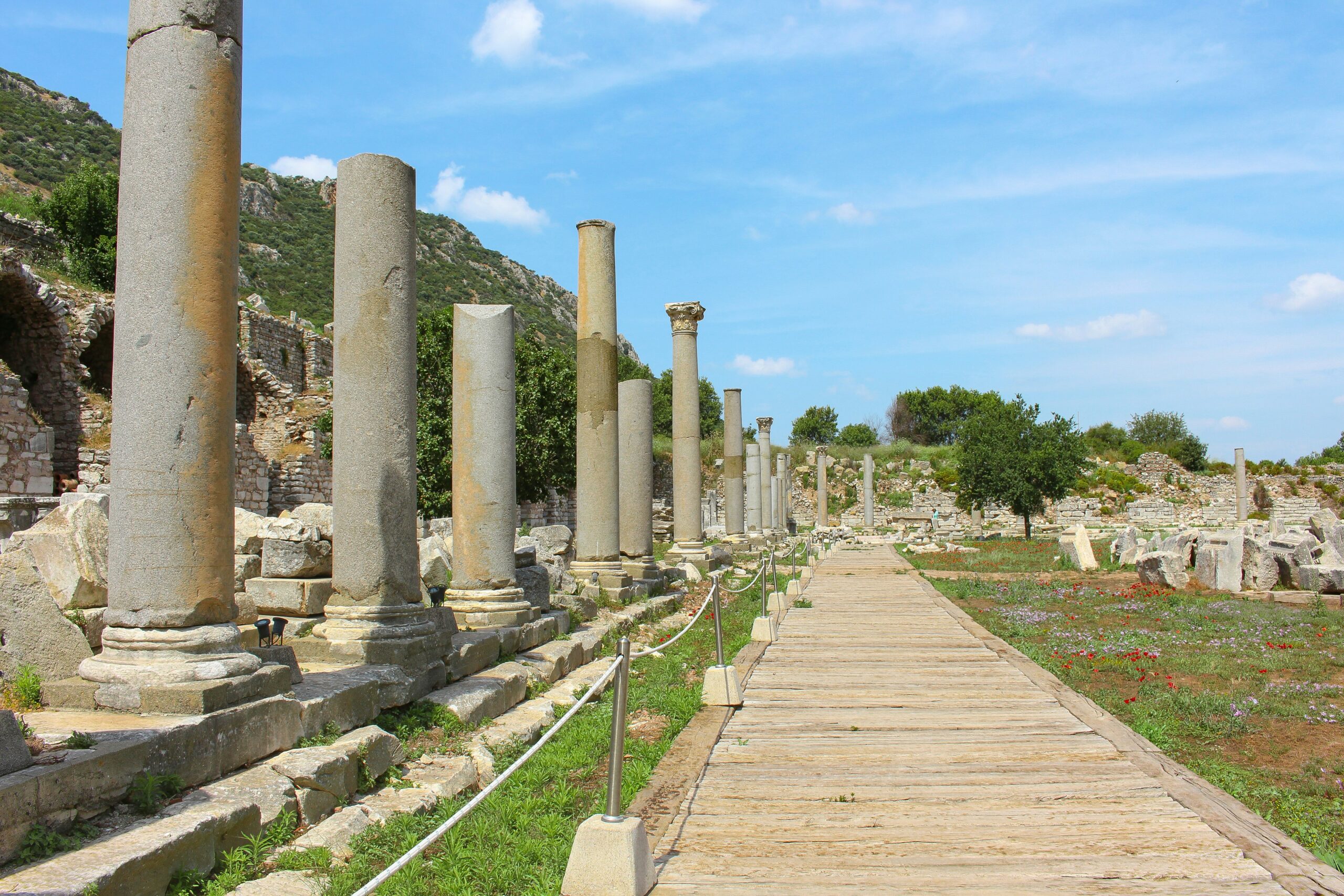
Ephesus, Turkey
1. More than 500 people witnessed the risen Jesus at one time.
1 Corinthians 15
Large public witness claim.
2. Paul personally met Peter and James.
Galatians 1
Direct contact with central witnesses.
3. Paul claimed his own encounter with the risen Jesus.
1 Corinthians 9
Eyewitness testimony.
4. Paul documented repeated suffering for his testimony.
2 Corinthians 11
Testimony maintained despite severe cost.
Sources & Further Reading
Richard Bauckham — Jesus and the Eyewitnesses
N.T. Wright — The Resurrection of the Son of God
Mike Licona — The Resurrection of Jesus: A New Historiographical Approach
Eusebius — Ecclesiastical History
© 2026 The Eyewitness Files